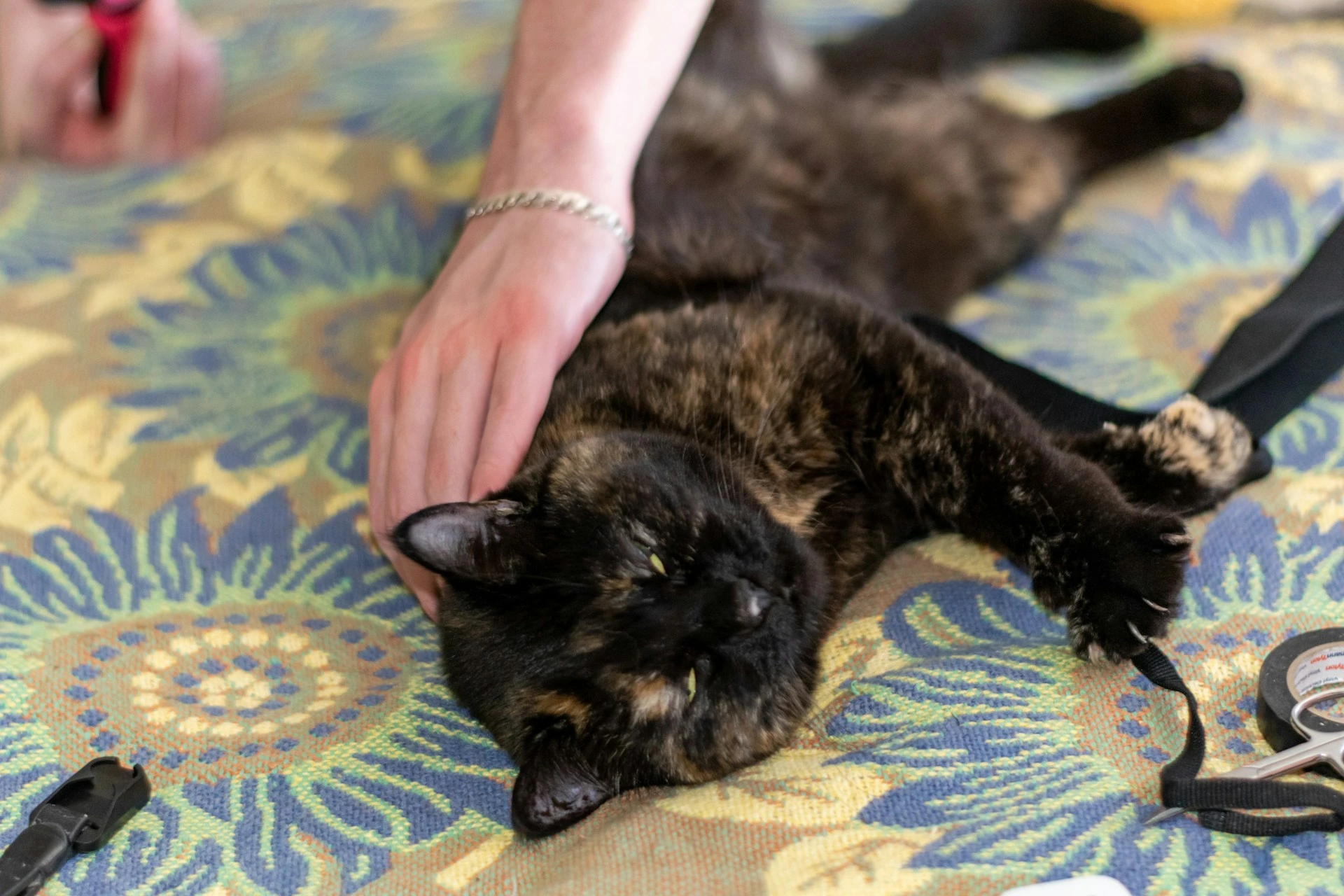



The California fire season can bring unexpected challenges for families and their pets. Preparing ahead of time gives you more options if smoke, evacuation orders, or changing conditions affect your area. At Ashton Animal Hospital, your Downey, CA veterinary clinic, we are all too familiar with the dangers of fire season. We help pet owners understand the nuances of California fire season pet safety and show them practical steps to take to protect their dogs and cats during emergencies.
Wildfires can change quickly, and having a plan before an emergency occurs can make stressful situations much easier to manage. This guide covers wildfire preparedness for pets, explains how to create a pet emergency evacuation plan, shares disaster preparedness for dogs and cats, and provides tips for pet safety during California wildfires so your furry friend is ready if your family needs to leave home.
Why Fire Season Preparation Is Important for Pets
During a wildfire, pets face many of the same challenges as people, including sudden changes in their environment, bad air quality, poor visibility, and stress. Smoke, evacuation procedures, and travel disruptions can all affect your dog or cat.
Pets may also react differently during emergencies. Some animals become anxious, hide, or resist leaving familiar spaces. Others may become more restless because they sense changes around them.
Preparing in advance helps reduce last-minute decisions and allows you to focus on keeping your family and pets safe. A thoughtful plan should include supplies, identification, transportation, and emergency contacts.
1. Create a Pet Emergency Evacuation Plan
One of the most important parts of California fire season pet safety is knowing what you will do if you need to leave your home quickly. A plan created before an emergency can help you act faster and with less stress.
Your pet emergency evacuation plan should include details about transportation, temporary housing, and who can help care for your pets if needed.
Consider preparing the following:
- Identify safe places where pets can stay temporarily
- Keep carriers and leashes easily accessible
- Plan transportation options in advance
- Identify family members or friends who can assist
- Keep important veterinary information available
If you have multiple pets, think through how you will safely transport everyone. Cats may need secure carriers, while dogs should have properly fitted collars or harnesses and identification tags.
2. Prepare an Emergency Supply Kit for Your Pet
A pet emergency kit helps ensure you have essential supplies available if you need to leave home or remain away longer than expected.
Emergencies can make it difficult to find supplies quickly, especially when many families are also preparing. Having a designated kit ready allows you to focus on your pet’s needs.
Items to consider including are:
- Food and water
- Medications
- Leashes, harnesses, and carriers
- Bowls
- Waste supplies
- Blankets or familiar comfort items
- Copies of veterinary records
- Recent photos of your pet
Your pet’s needs may change over time, so review your emergency supplies regularly. Replace expired items and update records as needed.
3. Keep Identification Information Current
During emergencies, pets can become separated from their families. Current identification information increases the chance of being reunited if your dog or cat gets lost.
Make sure your pet’s identification includes accurate contact information. Microchipping provides an additional layer of protection because collars and tags can become lost.
Take updated photos of your pet from different angles and store them somewhere accessible. These images can be helpful if you need to create lost pet notices.
A simple identification check is an important part of wildfire preparedness for pets because emergencies often create unfamiliar situations where pets may become frightened or disoriented. If your pet hasn’t been microchipped yet, we recommend doing so ASAP.
4. Protect Pets From Smoke and Poor Air Quality
Wildfire smoke can affect pets just as it affects people. Dogs and cats may experience irritation from smoke exposure, especially those with respiratory conditions, senior pets, and animals with certain health concerns.
During smoky conditions, keep pets indoors as much as possible. Limit outdoor activities and pay attention to changes in breathing, energy levels, or behavior.
Signs that smoke exposure may be affecting your pet include:
- Coughing
- Difficulty breathing
- Eye irritation
- Reduced activity
- Unusual fatigue
If your pet shows signs of respiratory distress or seems unwell during poor air quality events, contact your veterinarian for guidance.
5. Practice Your Evacuation Routine Before an Emergency
A household emergency plan is crucial, but of course it will only be effective if everyone knows what to do. Practicing evacuation steps before fire season can help your household respond more calmly if conditions change.
Some pets become stressed when carriers, leashes, or unusual activity appear. Introducing these items gradually can help your pet feel more comfortable.
For cats, leave carriers available in a familiar area so they do not only associate them with stressful events. For dogs, practice calmly entering vehicles and responding to basic cues that may be helpful during an evacuation.
Small preparation steps can make a big difference during a stressful situation.
Helping Pets Stay Calm During Emergencies
Emergencies are stressful for people and animals. Dogs and cats rely on familiar routines and their family’s behavior to help them feel secure.
During wildfire-related disruptions, try to maintain as much normalcy as possible. Speak calmly, provide familiar items, and monitor your pet’s behavior for signs of stress or injury.
Common stress responses may include:
- Hiding
- Excessive vocalization
- Changes in appetite
- Restlessness
- Increased clinginess
- Changes in bathroom habits
Understanding your pet’s normal behavior makes it easier to recognize when they need additional support.
Preparing Your Dog and Cat for Unexpected Situations
Disaster preparedness for dogs and cats involves more than having supplies. It also includes understanding your pet’s individual needs.
A senior cat may need additional comfort measures during travel, while a young dog may require extra exercise and enrichment after a disruption. Pets with medical conditions may need special planning for medications, records, and ongoing care.
Before fire season begins, consider discussing your pet’s needs with your veterinary team. Your veterinarian can offer tips to help you prepare. Of course, exact steps should be based on your pet’s health history and lifestyle.
We always recommend having copies of your pet’s medical records in their emergency carrier. You can also upload them so that you can access them from anywhere.
Keeping Your Pet Safe During California Wildfires
Wildfires can create rapidly changing conditions, making preparation an essential part of responsible pet care. While you cannot predict every situation, having a plan gives you a better chance of responding quickly and protecting your furry friend.
Pet safety during California wildfires includes monitoring local conditions, following evacuation guidance, and avoiding unnecessary exposure to smoke or unsafe environments. Keep emergency alerts available through reliable sources so you can make timely decisions for your household.
If evacuation becomes necessary, prioritize getting your family and pets to safety. Do not delay leaving because of concerns about finding the perfect arrangements. Having your supplies, transportation plan, and pet information ready ahead of time can make the process much smoother.
How to Help Your Pet Adjust After an Evacuation
Returning home after a wildfire or emergency can also be challenging for pets. Your dog or cat may notice changes in their surroundings, unfamiliar smells, or disruptions to their normal routine.
Give your pet time to readjust. Some animals recover quickly, while others may need additional reassurance and consistency.
Helpful ways to support your pet after an evacuation include:
- Maintaining familiar feeding and sleep schedules
- Providing a quiet area to rest
- Offering familiar toys or bedding
- Monitoring eating, drinking, and bathroom habits
- Watching for ongoing stress behaviors
If your pet continues showing signs of distress or develops changes in health after an emergency, your veterinary team can help determine appropriate next steps.
Special Considerations for Cats During Fire Season
Cats often respond to emergencies differently than dogs. Many cats become stressed by changes in their environment and may attempt to hide when they feel uncertain.
Because cats are skilled at concealing fear or discomfort, preparation is especially important. A secure carrier, familiar bedding, and a calm approach can help make transportation less stressful.
Before fire season, help your cat become comfortable with their carrier by leaving it accessible and creating positive associations. Adding familiar scents and allowing your cat to explore the carrier at their own pace may make future travel easier.
Special Considerations for Dogs During Fire Season
Dogs often look to their families for guidance during stressful situations. Maintaining calm interactions and practicing basic routines can help your canine companion feel more secure.
Make sure your dog’s collar, identification tags, and microchip information are current. Practice using leashes, harnesses, and travel equipment before an emergency occurs so these items are familiar.
Dogs with anxiety, medical conditions, or special behavioral needs may require additional planning. Discussing your dog’s needs with your veterinarian before fire season can help you prepare a more personalized approach.
The American Red Cross has a helpful piece on pet fire safety. You can also find some useful information on Ready.gov.
Frequently Asked Questions
How can I prepare my pet for California fire season?
Preparing your pet for the California fire season includes creating an evacuation plan, gathering emergency supplies, keeping identification current, and preparing your dog or cat for possible travel. Planning helps reduce stress and allows you to respond more quickly during emergencies. It’s also important to keep up on preventative care, such as parasite control, wellness and vaccinations, due to the increased risk of exposure from displaced stray and wild animals.
Your veterinarian can also help you prepare based on your pet’s health, medications, and individual needs.
What should I include in a pet emergency evacuation plan?
A pet emergency evacuation plan should include transportation arrangements, emergency contacts, veterinary information, supplies, and safe places where your pet can stay if needed. Having these details ready before an emergency can make evacuation easier.
Every household’s plan will look different depending on the number of pets, their health needs, and available resources.
How can I protect my pet from wildfire smoke?
Protecting pets from wildfire smoke involves keeping them indoors when air quality is poor, limiting outdoor activity, and monitoring for breathing changes. Pets with respiratory conditions, senior pets, and certain breeds may need additional precautions.
Contact your veterinarian if your pet shows coughing, breathing difficulty, unusual tiredness, or other concerning symptoms.
What are important wildfire safety tips for dogs and cats?
Important wildfire preparedness tips for pets include keeping emergency supplies ready, updating identification information, practicing evacuation routines, and knowing where pets can safely go if you need to leave home.
Preparation helps your family respond more confidently and protects your pet during unpredictable situations.
Schedule a Wellness Visit at Ashton Animal Hospital in Downey, CA
Preparing for fire season is an important part of protecting your dog or cat throughout the year. From creating a pet emergency evacuation plan to reviewing your pet’s health needs, the team at Ashton Animal Hospital can help you take practical steps toward better California fire season pet safety. If you are searching for a vet near me, contact our Downey, CA veterinary clinic to schedule an appointment and discuss your pet’s wellness, emergency planning needs, and ongoing care.
This blog is intended for informational purposes only and does not replace professional veterinary advice. Always consult your veterinarian for personalized medical guidance, diagnosis, and treatment recommendations based on your pet’s individual health needs.
If you would like to learn more about our Downey, CA animal clinic, start by dropping by our Service page. Here you’ll find more information about our veterinary hospital and the services we provide. These include standard veterinary care options, such as Nutrition and Weight Management, Allergies and Skin Care, Dentistry, and Laser Therapy, to name a few. We also offer Wellness Plans.