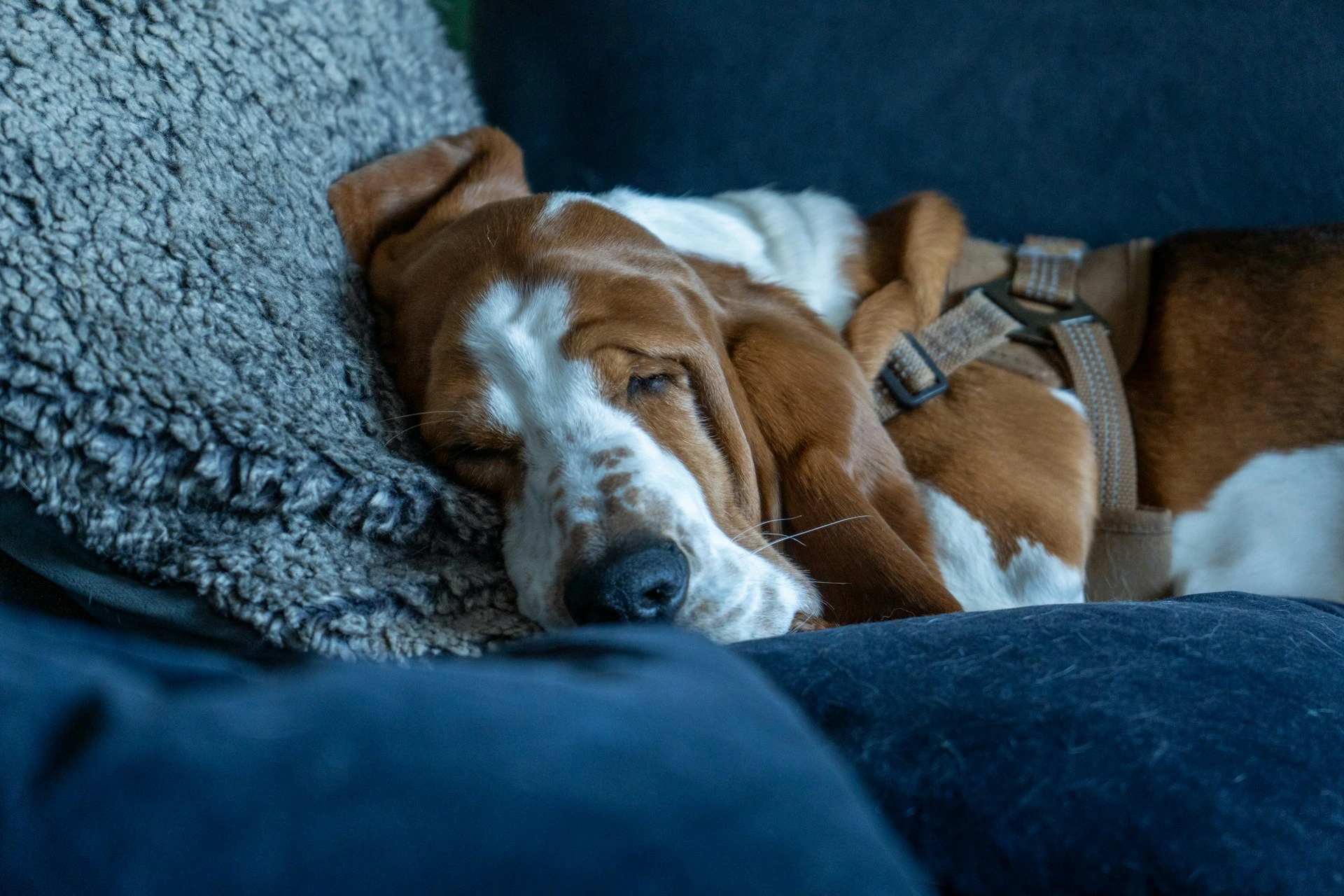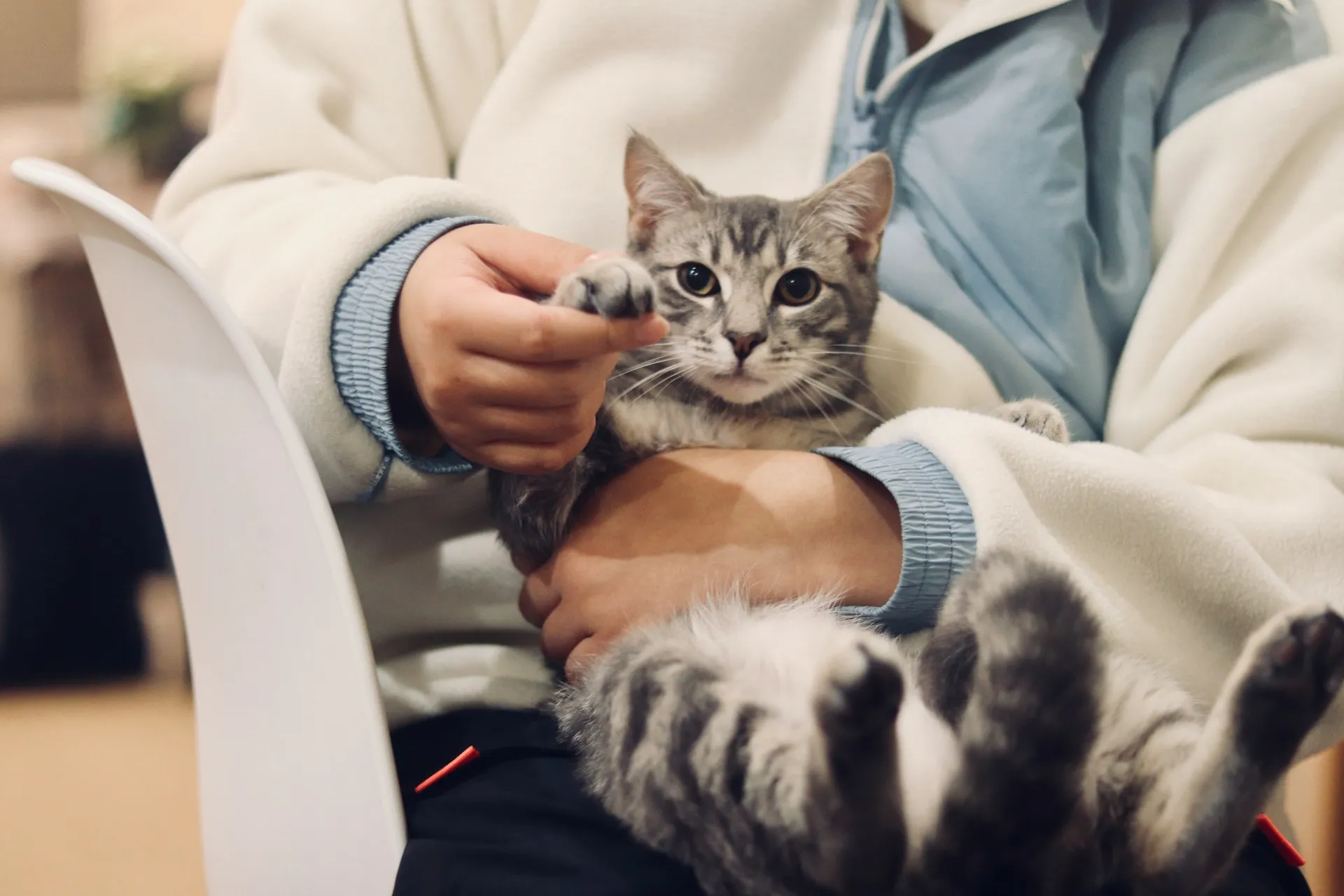

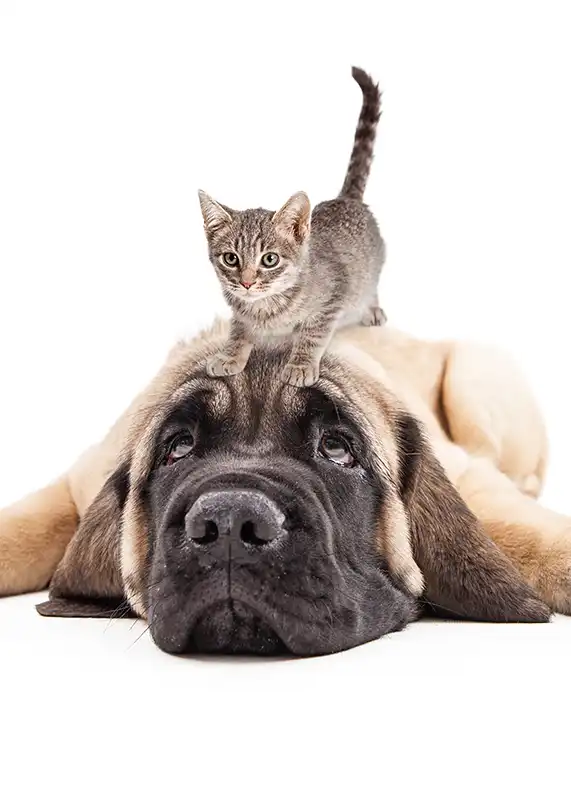

Dogs and cats are full of personality, and each and every one of them is unique. However, they can also be a bit perplexing. At Ashton Animal Hospital, your Downey, CA veterinary clinic, also serving Norwalk, we answer questions every day from pet owners that are just trying to understand their furry companions better. Many of these questions often focus on behavior, health, and everyday care decisions.
Understanding the reasons for your pet’s behavior can help you feel more confident about things like dog behavior, indoor cat care, litter box issues, and puppy training. Knowing you can always get good advice from a trusted veterinary clinic makes it easier to keep your pet healthy at every stage of life.
Here are some of the questions we hear the most:
Dog Behavior and Training FAQs in Downey, CA
Why does my dog bark so much?
Excessive barking usually happens because of boredom, excitement, anxiety, or environmental triggers. Dogs use barking as a communication tool, so the situation sparking the behavior often matters more than the sound itself. Excessive barking and/or sudden changes in barking patterns often point to stress or unmet needs.
Keeping a regular routine, giving your dog things to do, and making sure they get daily exercise can help cut down on barking. If your dog keeps barking a lot or it gets worse, your vet can check for anxiety or health issues that might be causing it.
The ASPCA has an article on excessive barking. The AKC site also has some helpful tips on how to curb excessive barking.
How do you stop a dog from jumping on people?
Jumping is a normal way for dogs to greet people, but it can become a problem. If Fido gets attention for jumping, he’ll often take that as a signal to continue. Even scolding can make the behavior worse. Teaching your dog to greet calmly and rewarding him for keeping all four paws on the ground when greeting people are crucial to curbing this bad habit.
It’s important for everyone, including guests and everyone in the family, to be consistent with Fido. A vet or trainer can help figure out if excitement or anxiety is part of the problem.
Why is my dog chewing everything?
Chewing is normal for puppies during teething. Adult dogs may chew due to boredom, stress, or lack of stimulation. Dogs may also chew to self-soothe when they feel anxious or under-stimulated.
Giving your dog safe chew toys and adding more activities to their day can help stop unwanted chewing. If your dog suddenly starts chewing a lot, destroys things, or chews strange items, your vet can check for health or behavior problems.
How long does puppy training take?
Puppy training timelines vary greatly, depending on consistency, environment, and temperament. Basic house training can take several weeks to a few months with regular reinforcement and supervision.
Short, frequent training sessions work better than long ones. Rewarding your puppy for good behavior helps them learn what you expect and builds good habits for the future.
Can older dogs still learn new behaviors?
Older dogs can still learn new things if you are patient and consistent. It might take a little longer than with puppies, but adult dogs usually do well with regular routines.
Keeping your senior dog’s mind active is good for their health. Your vet can help you figure out if age or physical issues are making training harder.
Why does my dog pull on the leash during walks?
Leash pulling happens for a few reasons. Dogs naturally move faster than humans. They also are easily excited by outdoor stimulation. Whether it’s a squirrel, the neighbor’s cat, or eagerness to get to the park, Fido sometimes can get a bit antsy. Without training, pulling can quickly become a learned habit.
Teaching your dog to walk on a loose leash with clear cues and rewards can help over time. Short, planned walks also encourage calmer behavior and better focus. Try changing directions when your pup tries to haul you. This is boring, but will teach him that pulling gets him further from his goal.
What is separation anxiety in dogs?
Separation anxiety occurs when dogs experience distress after being left alone. Our canine pals are hardwired to run in a pack, and they sometimes get lonely and upset when by themselves. This may lead to barking, pacing, or destructive behavior. It is often linked to strong attachment or changes in routine.
Slowly getting your dog used to being alone and practicing short periods apart can help. Your vet can also check for health or anxiety issues that might be causing the problem.
Indoor Cat Care and Behavior FAQs in Downey, CA
Should cats stay indoors?
Yes. Indoor living helps protect cats from dangers such as traffic, weather, predators, parasites, and infectious diseases. Many veterinary professionals recommend keeping cats indoors or providing safe outdoor alternatives, such as a catio or kitty enclosure.
Fluffy can be happy and healthy indoors, but she does need stimulation. Make indoor life fun for your cat with climbing areas, toys, and playtime. These things help keep your cat active and happy.
Why is my cat hiding all the time?
Hiding can be normal behavior, especially in new environments or during household changes. However, sudden or prolonged hiding may signal stress, illness, or discomfort.
Watch your cat’s eating, litter box habits, and energy. If hiding continues, your vet can help find out what’s wrong.
How can you keep an indoor cat entertained?
Indoor cats benefit from daily mental and physical stimulation. Puzzle feeders, interactive toys, and vertical climbing spaces help prevent boredom and support healthy activity levels.
Switching out your cat’s toys often keeps things interesting. Without enough to do, your feline pal might get bored or restless.
Why does my cat scratch furniture?
Scratching is a natural instinct, and one that is crucial to kitties’ survival in the wild. Cats scratch to keep their nails sharp, but they also do this to mark territory. It is important to realize that this is a physical need, not a behavioral problem.
Put scratching posts where your cat can easily reach them. Choose sturdy ones that are tall enough to allow your pet to stretch. Choosing the right spot will make it more likely your cat will use them regularly.
Why does my cat meow at night?
Nighttime meowing can be linked to boredom, hunger, or natural activity cycles since cats are more active at dawn and dusk. Changes in routine can also contribute to this. Cats are very much creatures of habit, and get distressed by changes.
Playing with your cat in the evening and feeding them at the same times each day can help cut down on nighttime meowing. If your cat suddenly starts meowing more at night, ask your vet for advice.
Why does my cat spray inside the house?
Spraying is a form of territorial marking. It can be triggered by stress, environmental changes, or the presence of other animals. It’s most common in kitties that have not been fixed.
If your feline pal is fixed and is still spraying, contacting your vet. This issue can also be caused by health problems.
How active should indoor cats be?
It depends on your pet’s age and health. Kittens are going to be much more energetic than seniors. However, all indoor cats need daily activity to maintain both physical and mental health. Interactive play helps prevent boredom and supports healthy weight management.
If cats don’t get enough to do, they might become stressed or bored. Providing lots of toys and keeping your kitty entertained with regular playtime gives them a good way to use their energy.
Litter Box and General Pet Health FAQs
Why does my cat avoid the litter box suddenly?
There’s no one-size-fits-all answer. Sudden litter box avoidance may be caused by stress, dirty litterboxes, overcrowding, changes in litter type, or medical issues such as urinary tract problems. Cats are highly sensitive to changes in their bathroom environment.
If your cat keeps avoiding the litter box, it’s important to have your vet check for health problems. Keeping the box clean and in the same place also helps. If you have more than one cat, make sure you have enough litterboxes. The rule of thumb is one box per kitty and at least one extra.
How often should litter be changed?
Litter should be scooped daily. We usually recommend doing full changes every week or so, but this may vary a bit, depending on the type of litter used. Cats prefer clean environments and may avoid dirty litter boxes.
Keeping the litter box clean helps prevent problems and makes your cat more likely to use it. If you have more than one cat, extra litter boxes can help. This will also help reduce odors.
What should I do if my pet is vomiting or has diarrhea?
Occasional mild digestive upset may resolve on its own, but persistent or severe symptoms require veterinary attention. An occasional bout of tummy issues isn’t necessarily anything to be too concerned about, but if your pet continues having problems, contact your Downey, CA vet right away.
Changes in diet, stress, or illness can all cause stomach problems. Your vet can help decide if more tests or treatment are needed.
Why are vaccines important for pets?
Vaccines help protect pets from contagious and potentially serious diseases. They also help reduce disease spread in shared environments such as parks and boarding facilities. This protects both pets and people from dangerous diseases such as rabies.
Your vet can suggest a vaccine schedule that fits your pet’s needs and lifestyle. Read more on our Wellness and Vaccinations page.
How do pets change as they age?
As pets age, you may notice changes in energy, mobility, and appetite. Fido and Fluffy may slow down, and become more interested in sleeping than in playing. These changes are normal, but will become more pronounced and noticeable over time. As with people, pets are more prone to developing certain medical conditions as they age, so regular veterinary care is crucial.
Regular monitoring also helps detect medical conditions early. Your vet might also suggest changes to their diet, exercise, or daily care. Here at Ashton Animal Hospital, we also provide Wellness plans, which are customized for pets of different ages.
Schedule an Appointment at Our Downey, CA Veterinary Clinic
If you have concerns about your pet’s care, health, or behavior, give us a call! Ashton Animal Hospital in Downey, CA is here to help. Whether you need advice about dog behavior, cat care, litter box problems, or puppy training, having a trusted vet nearby can make daily decisions easier.
If you are searching for a vet near me, reaching out to a local animal hospital can help you determine when home care is appropriate and when professional evaluation is needed. Ashton Animal Hospital also welcomes pet owners from Norwalk, CA who are looking for consistent, compassionate veterinary support. Scheduling an appointment can provide clarity, peace of mind, and personalized care for your furry friend.
This blog is intended for informational purposes only. Always consult your veterinarian for proper medical advice, diagnosis, or treatment recommendations for your pet.
To learn more about our Downey, CA pet clinic, stop by our Services page for a better idea of who we are and what we do. We offer a full range of veterinary care services, which range from Allergy & Skin Care to Laser Therapy and Pain Management.