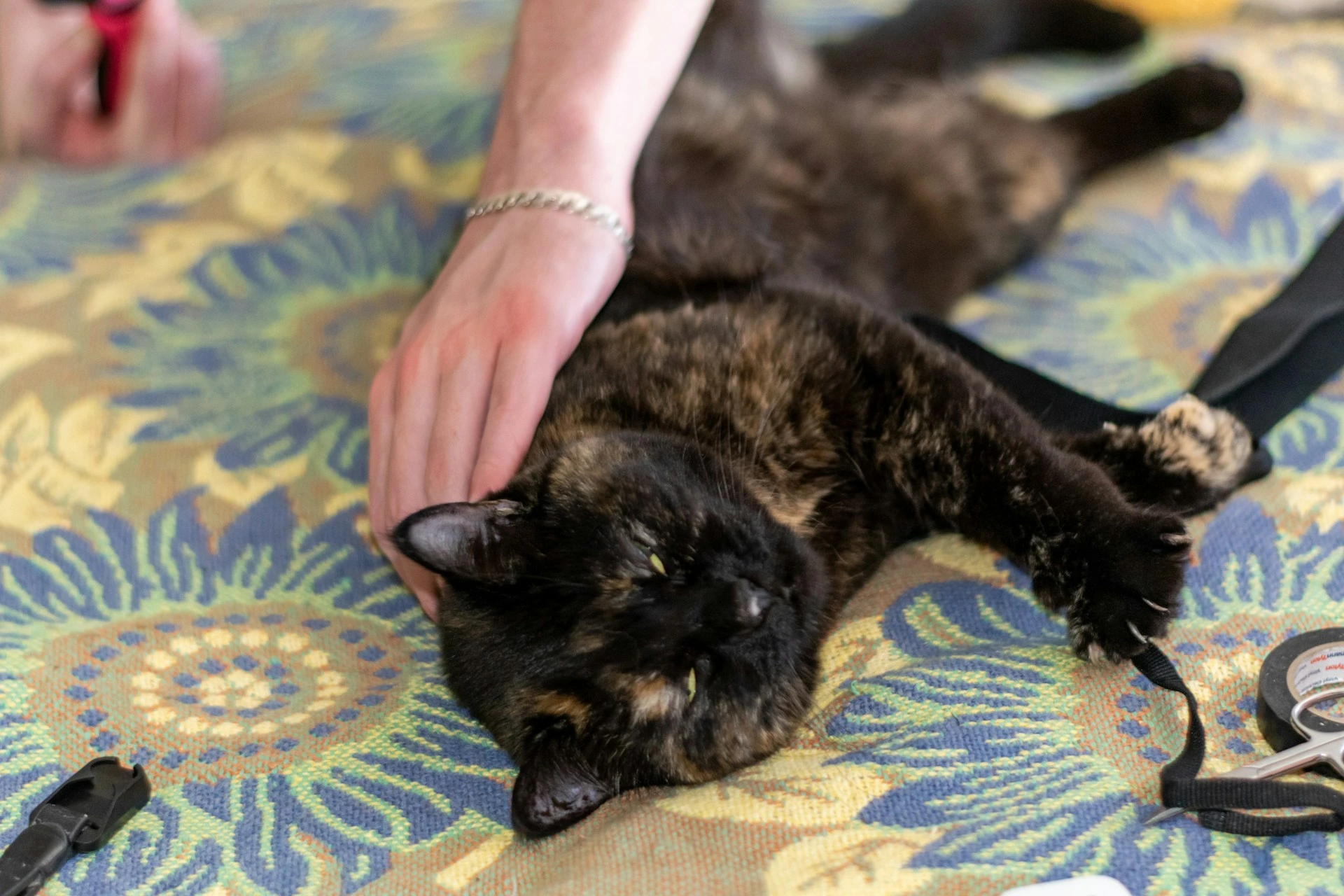



Spring breezes, blooming plants, and warmer weather can be enjoyable for both people and pets, but seasonal changes may also trigger discomfort for some pets. If your dog or cat is scratching more, licking their paws, or experiencing skin changes, allergies may be contributing to the problem. At Ashton Animal Hospital, your Downey, CA veterinary clinic, our team helps families understand seasonal allergies in dogs and cats and guides managing allergy-related concerns.
Allergies can affect pets in different ways, and symptoms may involve the skin, ears, paws, or overall comfort. This guide explains common allergy symptoms in dogs and cats, explores options for treating itchy skin in pets, discusses environmental allergies in pets, and reviews pet allergy relief options that may help your furry friend feel more comfortable.
Understanding Seasonal Allergies in Dogs and Cats
Seasonal allergies in dogs and cats occur when a pet’s immune system reacts to substances in their environment. These triggers may change throughout the year depending on weather, plants, and other environmental factors.
Pets do not always experience allergies the same way people do. While humans may commonly develop sneezing and watery eyes, dogs and cats often show allergy symptoms through their skin.
Common environmental triggers may include:
- Pollen
- Grass
- Mold
- Dust
- Other outdoor or indoor irritants
Identifying what may be causing your pet’s discomfort is an important part of creating an effective care plan.
Recognizing Allergy Symptoms in Dogs and Cats
The allergy symptoms in dogs and cats can range from mild irritation to more noticeable discomfort. Because pets may respond to itching by scratching or licking, skin problems can sometimes become worse over time.
Possible allergy signs include:
- Excessive scratching
- Paw licking
- Red or irritated skin
- Hair loss
- Ear irritation
- Recurrent skin problems
- Rubbing the face or body
- Changes in grooming habits
Cats may show different signs than dogs. Some feline companions may overgroom, develop scabs, or hide more often when they are uncomfortable.
If you notice ongoing changes in your pet’s skin or behavior, your veterinarian can help determine whether allergies or another health concern may be involved.
Why Pets Develop Seasonal Allergies
Allergies develop when the immune system responds to substances that are normally harmless. Some pets are more sensitive to certain environmental triggers than others.
Factors that may influence allergy development include:
- Genetics
- Environment
- Exposure levels
- Individual immune response
- Skin health
Some pets may show symptoms during specific seasons, while others may experience irritation throughout the year.
Tracking when symptoms appear can provide useful information for your veterinarian. Notes about timing, location, and changes in your pet’s routine may help identify possible triggers.
We also did a post about how to tell if your pup has spring dog allergies.
Treating Itchy Skin in Pets
Treating itchy skin in pets begins with understanding the cause of the irritation. Allergies are one possible reason for itching, but other conditions can create similar symptoms.
Your veterinarian may consider factors such as:
- Skin condition
- Ear health
- Parasite prevention history
- Lifestyle
- Medical history
Treatment recommendations vary depending on your pet’s specific needs. A personalized approach helps address the source of discomfort rather than focusing only on the visible symptoms.
Avoid using human allergy products or treatments without veterinary guidance. Some substances that are safe for people may not be appropriate for pets.
Environmental Allergies in Pets
Environmental allergies in pets are among the most common causes of recurring skin irritation. These allergies may involve substances your pet encounters both indoors and outdoors.
Helpful ways to reduce exposure may include:
- Wiping paws after outdoor activities
- Washing bedding regularly
- Keeping living areas clean
- Following recommended grooming routines
- Monitoring outdoor exposure during high pollen periods
These steps may not eliminate every trigger, but they can help reduce the amount of irritants your pet encounters.
Your veterinarian can help determine which management strategies may be appropriate for your pet.
Common Allergy-Related Skin and Ear Concerns
Pets with allergies may experience repeated skin or ear issues. The constant scratching, licking, or inflammation associated with allergies can affect your pet’s comfort.
Watch for concerns such as:
- Frequent ear scratching
- Head shaking
- Skin odor
- Moist or irritated areas
- Changes in coat condition
Ear problems can be especially common in pets with allergies. If your pet frequently shakes their head or scratches their ears, a veterinary evaluation can help identify the cause.
Pet Allergy Relief Options
There are several pet allergy relief options available, depending on your pet’s symptoms, health history, and the suspected cause of their allergies.
Veterinary care may involve:
- Identifying possible triggers
- Addressing skin irritation
- Supporting skin health
- Managing discomfort
- Creating a long-term care approach
Every pet responds differently, so finding the right strategy may involve monitoring symptoms and adjusting care over time.
Your veterinarian can help determine which options are appropriate for your dog or cat.
Helping Your Dog or Cat Feel More Comfortable at Home
Daily care can play an important role in supporting pets with allergies. While you may not be able to remove every environmental trigger, consistent routines can help your pet stay more comfortable.
Helpful habits include:
- Keeping your pet’s bedding clean
- Maintaining regular grooming
- Checking paws after outdoor time
- Watching for changes in skin or behavior
- Scheduling veterinary visits when symptoms continue
Your pet’s comfort is closely connected to noticing changes early. Addressing irritation before it becomes severe can help protect their quality of life. We also did a prior piece on caring for a dog with allergies, which you may want to check out.
When Should You See a Veterinarian for Allergies?
Mild seasonal irritation may come and go, but ongoing symptoms deserve attention. A veterinary evaluation can help determine whether allergies are involved and whether another condition may be contributing.
Schedule an appointment if your pet has:
- Persistent itching
- Repeated skin infections
- Chronic ear problems
- Hair loss
- Open sores or irritated skin
- Changes in appetite or behavior
Allergy symptoms can overlap with other health concerns, so professional evaluation helps guide appropriate care.
Managing Allergies Throughout the Year
Seasonal allergies may appear during certain times of the year, but some pets continue experiencing symptoms even after a specific season ends. Ongoing management can help reduce discomfort and make daily life more enjoyable for your furry friend.
Keeping track of your pet’s symptoms can help identify patterns. Note when itching starts, which areas are affected, and whether symptoms improve or worsen after certain activities.
Helpful steps may include:
- Scheduling regular wellness visits
- Maintaining recommended parasite prevention
- Following grooming routines
- Monitoring skin and coat changes
- Staying consistent with veterinary recommendations
Allergy management is often a long-term process. Your veterinarian can help adjust your pet’s care plan as their needs change.
The Importance of Skin and Coat Health
Healthy skin acts as a protective barrier for your pet. When allergies irritate the skin, maintaining good skin health can become more challenging.
Dogs and cats with allergies may benefit from a care approach that supports:
- Skin comfort
- Coat condition
- Reduced irritation
- Overall wellness
Your veterinarian can evaluate your pet’s skin and recommend appropriate care based on their symptoms and medical history.
Avoid making major changes to your pet’s grooming or nutrition routine without guidance, as some changes may make it harder to identify what is helping or worsening symptoms.
Helping Cats With Seasonal Allergies
Cats can experience allergies too, although their symptoms may look different from those seen in dogs. Fluffy may not scratch as noticeably, but changes in grooming or behavior can still indicate discomfort.
Signs that your cat may be experiencing allergies include:
- Excessive grooming
- Hair thinning
- Small scabs on the skin
- Increased hiding
- Skin irritation
- Changes in normal behavior
Because cats are skilled at masking discomfort, subtle changes deserve attention. If your feline companion’s habits change, your veterinarian can help determine the possible cause.
Helping Dogs With Seasonal Allergies
Dogs often show allergies through itching, licking, and skin irritation. Your pup may scratch at their ears, chew their paws, or rub against furniture when they are uncomfortable.
Common areas affected include:
- Paws
- Ears
- Belly
- Face
- Legs
Managing allergies involves more than stopping the itch. Identifying contributing factors and protecting your dog’s skin health can help support long-term comfort.
Your veterinary team can help you understand your dog’s symptoms and discuss appropriate care options.
You can learn more about skin allergies in pets at the Oregon Veterinary Medical Association here. Pet MD also has a good post on skin allergies in dogs.
Frequently Asked Questions
What are the signs of seasonal allergies in dogs and cats?
The most common allergy symptoms in dogs and cats include itching, scratching, paw licking, skin irritation, hair loss, ear problems, and changes in grooming habits. Dogs often show allergies through skin issues, while cats may overgroom or develop small irritated areas.
A veterinary examination can help determine whether allergies or another condition is causing your pet’s symptoms.
How can I help my pet with itchy skin?
Treating itchy skin in pets starts with identifying the cause of irritation. Your veterinarian can evaluate your pet’s skin, discuss possible triggers, and recommend appropriate care options based on their symptoms and health history.
At home, keeping bedding clean, maintaining grooming routines, and monitoring changes may help support your pet’s comfort.
What causes environmental allergies in pets?
Environmental allergies in pets can develop when a pet’s immune system reacts to substances such as pollen, grass, mold, dust, or other environmental triggers. Symptoms may appear seasonally or continue throughout the year depending on the allergen.
Your veterinarian can help identify patterns and create a management approach that fits your pet’s needs.
What pet allergy relief options are available?
Pet allergy relief options depend on the cause and severity of your pet’s symptoms. Veterinary care may include strategies to reduce irritation, support skin health, and manage discomfort.
Because every pet responds differently, your veterinarian can recommend an approach based on your dog or cat’s individual condition.
Schedule an Allergy Exam at Ashton Animal Hospital in Downey, CA
Allergies can be frustrating for both pets and their families, but the right approach to care can help your dog or cat feel more comfortable. If your furry friend is showing signs of seasonal allergies, the team at Ashton Animal Hospital is here to provide veterinary guidance, evaluation, and personalized support. If you are searching for a vet near me, contact our Downey, CA veterinary clinic to schedule an appointment and discuss your pet’s allergy concerns and treatment options.
This blog is intended for informational purposes only and does not replace professional veterinary advice. Always consult your veterinarian for personalized medical guidance, diagnosis, allergy recommendations, and treatment options that are appropriate for your pet’s individual health needs.
To learn more about our Downey, CA animal clinic, start by visiting our Service page. Here you’ll find more information about our veterinary hospital and the services we provide. These include standard veterinary care options, such as Nutrition and Weight Management, Allergies and Skin Care, and Laser Therapy, to name a few. We also offer Wellness Plans.